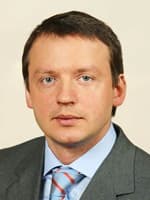
Image: Пресс-служба Совета Федерации Федерального Собрания РФ | CC BY 4.0 | via Wikimedia Commons
Biography
Sergei Gordeev is a prominent Russian real estate tycoon and investor, known for his significant contributions to the Moscow skyline and his investments in high-growth startups. Born in 1972, Gordeev's estimated net worth is $2.5 billion, placing him among the wealthiest individuals in Russia. He built his fortune through the acquisition and redevelopment of industrial assets into high-value commercial and residential properties. Gordeev is the controlling shareholder of PIK Group, Russia's largest homebuilder, and he also invests in technology ventures, including Hyperloop One. His career reflects a blend of strategic asset acquisition, urban redevelopment, and forward-looking venture capital, making him a notable figure in the Russian business landscape. Gordeev's leadership style is characterized by a product-centric, design-driven ethos, aiming to bring an Apple-like approach to residential construction.
AI-Assisted Draft
Not yet reviewed by an editor — how we work
Data Updated
Sep 10, 2026