
Sergey Brin's 'Founder Mode': A Return to the Code, A Warning to Alphabet, and a Glimpse into Google's Future
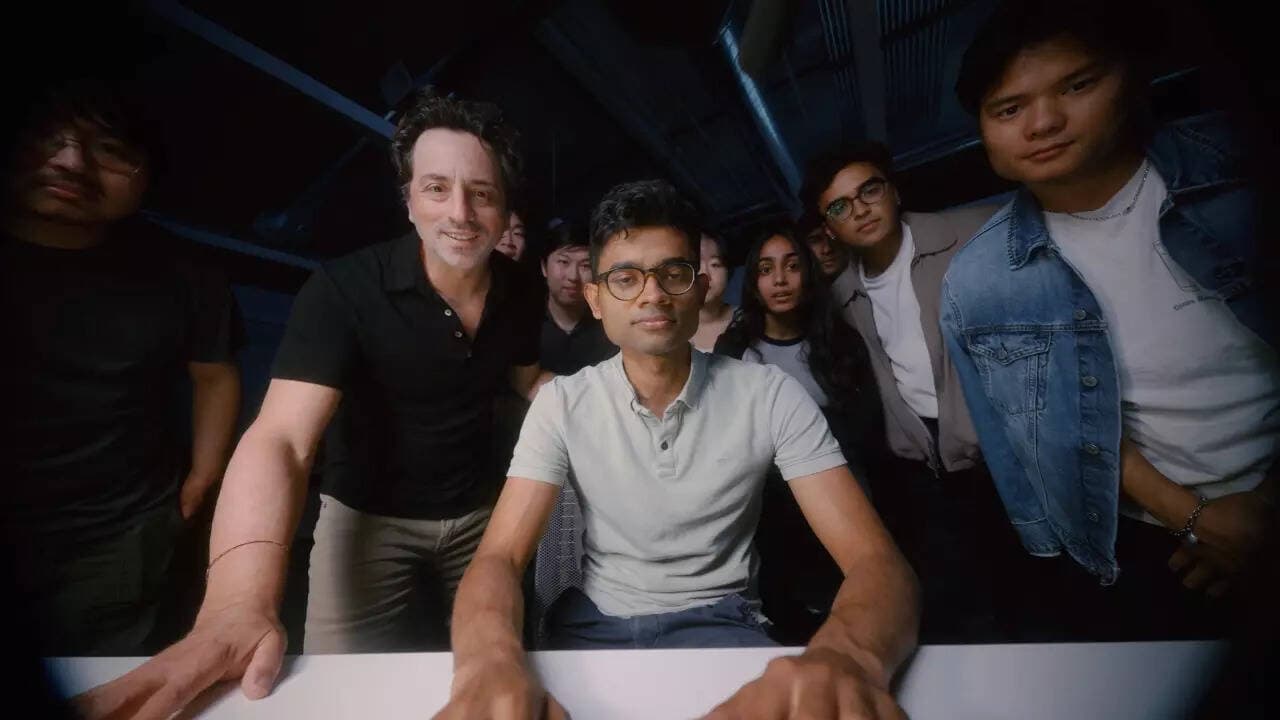
"Sergey Brin, Google's co-founder, is back, appearing in the launch video for Antigravity, a new coding tool. This isn't just a cameo; it's a strategic move signaling Brin's renewed engagement and, perhaps, a critical evaluation of Alphabet's direction. With a legacy forged in innovation, Brin's return to the coding trenches could herald a new era of disruption or a desperate attempt to recapture the company's pioneering spirit."
Key Takeaways
- •Sergey Brin's return to the coding trenches signals a renewed focus on innovation within Google and Alphabet.
- •His involvement with Antigravity suggests a strategic push to democratize coding and empower the next generation of tech creators.
- •This move could reshape Alphabet's direction, culture, and competitive strategies, potentially influencing the entire tech landscape for years to come.
The Lede: The Return
The desert sun blazed over the Mojave, but the real heat wasn't from the weather. It was the electric buzz emanating from a computer screen, a launch video, and the sudden, unmistakable visage of Sergey Brin. Not just a mention, not a quote, but Sergey Brin, the man who built Google from a dorm room dream, back in the trenches, talking code. It wasn't the polished sheen of a corporate announcement; it was a rough-hewn authenticity, the kind that whispered of late nights fueled by caffeine and an unyielding belief in the power of algorithms. This wasn’t a nostalgic trip down memory lane; it was a shot across the bow.
The Antigravity coding tool. That was the focus of the video. Another tool. Another innovation. But it was Brin’s presence that was the story. This was a statement, a declaration. It’s the equivalent of a seasoned general, known for his tactical genius, picking up a rifle and saying, “I’ll show you how it’s done.” This wasn't merely a product launch; it was the unveiling of a strategic re-emergence, a signal fire visible across the Silicon Valley landscape. The question hanging heavy in the air: Why now? What does Brin see that the rest of us are missing? And, perhaps most importantly, what does he intend to do about it?
The Context: The Genesis of a Titan and the Shadows of Time
To understand the present, one must rewind the clock. Google wasn't built on spreadsheets and PowerPoint presentations. It was forged in the fire of relentless innovation, the kind that comes from late nights fueled by cheap pizza and a shared dream. Brin and Larry Page, a partnership forged in the crucible of Stanford, were more than just co-founders; they were the embodiment of an ethos. They believed in breaking things, in questioning assumptions, in the sheer thrill of building something that had never existed before. This was not a company, it was a revolution. Their secret? Insatiable curiosity, fearless experimentation, and a brutal honesty that kept the company always improving.
The early years were a blur of breakthroughs. The PageRank algorithm, Gmail, Google Maps – each a testament to their vision. They weren't just building a search engine; they were building an empire. The IPO, a moment of triumph, marked the transition from scrappy startup to corporate behemoth. But with size came complexity, and with complexity, the inevitable dilution of the core principles. The need to appease shareholders, the bureaucratic layers, the relentless pressure to maintain growth – these forces began to chip away at the innovative spirit that had defined Google’s early years.
Over the years, the structure of Alphabet emerged. A holding company meant to provide the Google teams with independence. Did it? Or did it create a distant management structure? The truth is difficult to say, but with the growth came scrutiny. The rise of regulatory pressures. Antitrust lawsuits. Google's once untouchable reign was under fire. Meanwhile, innovation was splintering into various divisions. Some thrived. Some failed. The sense of urgency, the drive to build the next big thing, seemed to be waning. The very culture that made Google great was beginning to calcify.
The last few years have shown us the decline of the rapid innovation cycle that once made Google unassailable. The core products were still strong, but the innovative risk-taking was diminished. Where was the excitement? Where was the next big thing? Now, fast forward to today, with Brin's return as a symbol, you can't help but wonder if something went wrong.
The Core Analysis: Decoding the 'Founder Mode' Signal
So, why Antigravity? Why now? The answer, as always, is multifaceted. Let's start with the product itself. Antigravity isn’t just a coding tool; it's a statement about accessibility. It's a tool designed to democratize coding, to empower the next generation of innovators. Brin's involvement indicates a belief that the future lies in the hands of those who can build, not just consume, technology. This is a classic founder's instinct – a return to the roots, to the core belief in the power of creation. It's not about the money, it's about the mission.
But there's more. The appearance in the video sends a powerful message to Alphabet. It's a reminder of the values, the principles, that defined Google in its formative years. It's a signal that the fire still burns, that the founders are watching. This isn't just about Antigravity; it's about Google's soul. It's a signal that Brin wants to keep the company's innovation alive. Brin's appearance is a reminder of the company's original mission: to organize the world's information and make it universally accessible and useful. He is reminding everyone, from the executive suite to the newest intern, of that core principle. It's a reminder that it's okay to fail, to experiment, to push boundaries.
There are also significant strategic implications. In the current economic climate, with increased competition from tech giants and the need to streamline operations, the return of a founding father is a significant morale booster. It could mean renewed investment in projects. It can signal a shift in priorities. It can indicate a return to core values and innovation, rather than chasing short-term profits. It could also signal that Brin's not happy with the current trajectory, with the company's focus on the 'shiny objects' of AI or the metaverse at the expense of its core strength: search, data, and organizational tools.
Furthermore, this move could be interpreted as a strategic lever for shaping Alphabet's direction. Brin, with his proven track record of technological foresight, is well-positioned to guide the company towards potentially untapped markets. This is particularly relevant in the rapidly evolving landscape of artificial intelligence and quantum computing. It is an indication that Brin is willing to take on the role of 'Chief Innovation Officer', with a mandate to push the envelope.
Consider the potential impact on Alphabet's internal culture. This isn’t a passive endorsement. It's a call to action. It suggests a more hands-on approach to innovation, a commitment to empowering the teams on the ground. This will change the dynamic between the different teams, the executives, and the employees. This is how the culture of Google’s early years was made. It's a promise of a future where bold ideas are valued more than safe bets. This is Google's new promise.
The Macro View: Reshaping the Tech Landscape
The impact of Brin's return extends far beyond the confines of Google and Alphabet. His actions have significant implications for the broader tech landscape. It's a reminder that companies, even those as large and established as Alphabet, must never become complacent. The threat of disruption is always lurking, and the founders' instincts, the spirit of innovation, are often the best defenses against those threats.
This event sends a warning to Google's competitors. The message is clear: the original founders are still active. They have a passion for innovation. It's a warning to not relax. It's a clear signal that Google is ready to fight for its position, not just with products, but with culture and leadership. Brin's re-emergence is an indication that Google is far from finished. This is how a tech giant is born again.
Furthermore, Brin's actions challenge the prevailing narrative of Silicon Valley. We live in an era where venture capitalists and private equity firms dictate the terms of innovation. Brin's return emphasizes the long-term vision of a company. His focus on foundational technology suggests a deliberate shift away from the hype of short-lived trends. He's reminding everyone that true value is built on the hard work of creating and innovating, not just on the fleeting trends. This is a crucial distinction in a market often driven by superficial metrics.
The future of technology will be shaped by those who create the infrastructure, who build the tools, who empower the next generation. Brin's focus on accessibility suggests a willingness to redefine the terms of competition. It’s a challenge to the status quo, to the companies that prioritize profits over the needs of the user.
The Verdict: A Future Forged in Code
My seasoned prediction? Sergey Brin's return to the coding trenches is not just a passing event. It is a turning point. Within a year, we can expect to see renewed energy in Google's product development, with a greater emphasis on groundbreaking innovation. Alphabet will likely undergo a strategic reassessment, prioritizing the core competencies that made Google a global power. The internal culture will shift. There will be renewed investment in experimental projects. We'll see a change in direction. The 'old guard' will return. It's a sign that the founders are ready to fight to make their company innovative again.
Within five years, Google could become more agile. Brin's focus on coding can spark a fresh wave of creative disruption. We'll likely see new acquisitions, strategic partnerships, and a revitalized culture. A new, more engaged leadership team can emerge. The company's competitive edge can become sharper.
Looking a decade out, the ramifications are even more profound. The long-term impact of Brin's re-emergence will depend on the effectiveness of his strategic guidance. He has the potential to redefine the very future of technology. His approach will shape the careers of future generations of coders, engineers, and entrepreneurs. The impact of his action is impossible to know, but history shows us that founders don't disappear. They adapt. They reinvent. And, every once in a while, they remind the world why they were legends in the first place.
Brin's return is a signal. It's a call to arms. It's a challenge to the established order. It's a glimpse into a future where innovation is once again at the heart of Google's mission. And that, in itself, is a story worth watching.