
Reliance's Ascent: Decoding the Cash Flow Kings and the Future of India's Economic Empire
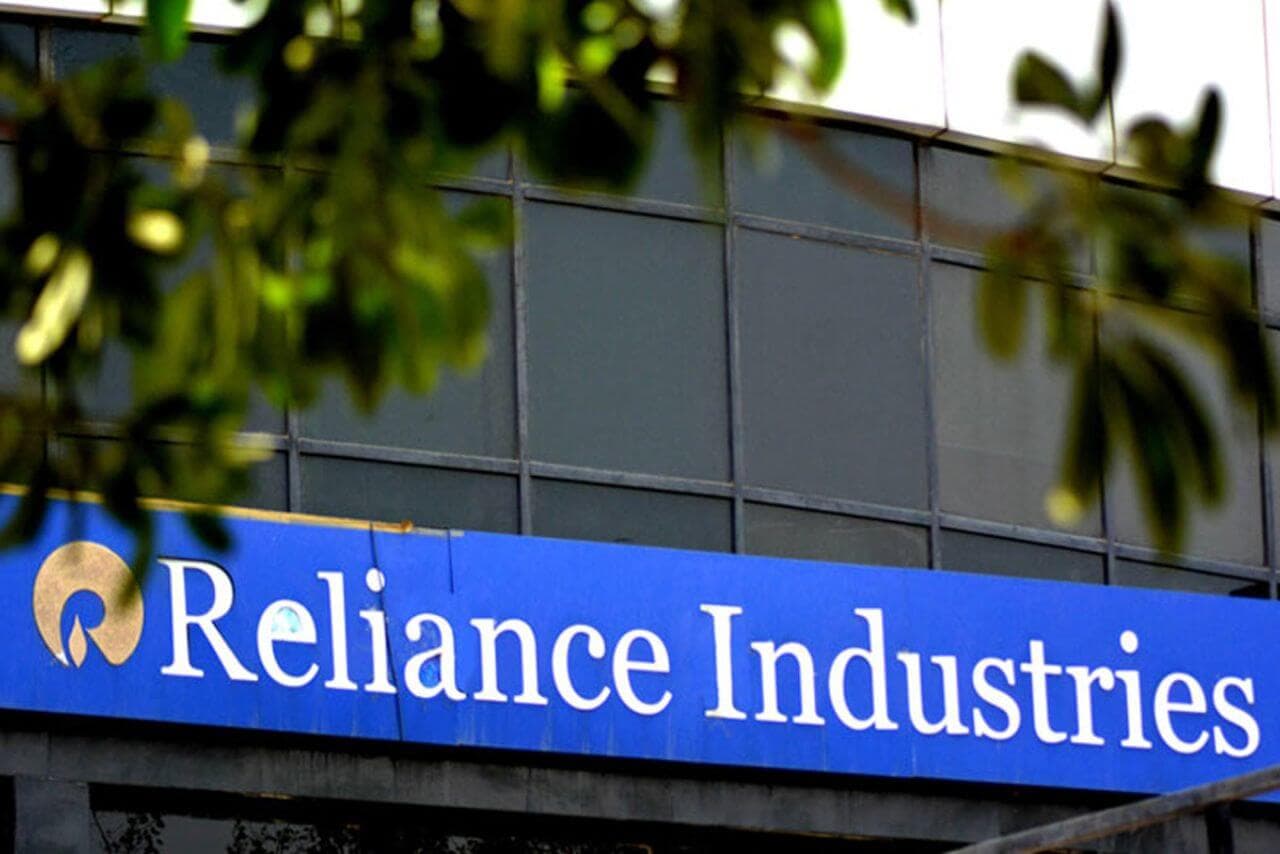
"Reliance Industries, alongside a select cadre of corporate titans, is quietly rewriting the rules of Indian commerce. Their secret weapon? A laser focus on operating cash flow, a metric that speaks volumes about sustainable growth and market dominance. This isn't just about profits; it's about control, and the ability to dictate the pace of change in a dynamic global landscape."
Key Takeaways
- •Reliance's focus on operating cash flow is a key driver of its success and market dominance.
- •The company's strategic diversification and digital initiatives have reshaped the Indian economic landscape.
- •Reliance's growth will have a profound impact on the Indian economy and global markets in the years to come.
The Lede: The Monsoon's Whispers
The Mumbai monsoon arrived early this year, a torrential downpour mirroring the relentless cascade of cash that's been flooding into the coffers of Reliance Industries. The rain, a symbol of both renewal and potential disruption, seemed to echo the mood in the boardroom – a quiet confidence, underscored by an almost palpable ambition. This isn't just about weathering the storm; it's about harnessing its power. We’re talking about Reliance Industries, the behemoth helmed by Mukesh Ambani, and four other select companies, all exhibiting a consistent surge in operating cash flows. This isn't a fleeting trend; it’s a carefully orchestrated symphony of strategic moves, shrewd investments, and an unwavering commitment to operational excellence. It's a financial narrative unfolding in real-time, one that has the potential to reshape the contours of the Indian economy and beyond. The air in the city, thick with humidity and the scent of possibility, holds the promise of a new era.
The Context: From Oil Barons to Digital Dynamos
To understand Reliance's current dominance, we must journey back to its roots. The story begins with Dhirubhai Ambani, a visionary who built an empire on the bedrock of the textile and petrochemical industries. His son, Mukesh, inherited this legacy and, with it, the foresight to diversify and adapt. The evolution of Reliance mirrors the evolution of India itself – a nation transitioning from a protected economy to a global powerhouse. Mukesh Ambani has been the architect of this transition, expertly maneuvering through economic shifts and geopolitical complexities. The seeds of today's success were sown in strategic acquisitions, calculated risks, and a relentless pursuit of innovation.
Consider the launch of Jio, Reliance's disruptive telecom venture. This wasn't merely a business move; it was a societal transformation. By offering affordable data and voice services, Jio democratized access to the internet, propelling India into the digital age. This bold move, initially met with skepticism, ultimately secured Reliance’s dominant position, setting the stage for even more ambitious ventures. These ventures included, but weren't limited to, their retail initiatives, where they began to reshape the consumer landscape. They saw the shift in market dynamics and met consumer needs as it arose.
The moves they made, in many ways, harken back to the early days of industrial capitalism in the West – a period of rapid expansion, consolidation, and the creation of vast fortunes. However, unlike those robber barons, Reliance, under Mukesh Ambani, has displayed a savviness in adapting to the unique complexities of the 21st century. This adaptation is also reflected in Reliance’s deep understanding of the Indian consumer. They knew the country's strengths and its weaknesses, and they were willing to take calculated risks to succeed in this market.
The Core Analysis: The Cash Flow Kings
Let's cut through the noise and delve into the numbers. Operating cash flow (OCF) is the lifeblood of any successful company. It represents the actual cash generated from a company’s core business operations, a true measure of financial health. It's a far more reliable indicator of long-term sustainability than net profit alone, which can be inflated by one-off gains or accounting tricks. The sustained increase in OCF across Reliance and its peers tells a compelling story. It speaks of efficient operations, effective cost management, and the ability to generate revenue consistently. The financial might of these companies, a testament to their operational prowess, is what positions them for an era of dominance.
This is where the magic happens – the ability to reinvest in growth, weather economic downturns, and seize strategic opportunities. This isn't just about staying afloat; it's about pulling ahead. This ability enables them to outmaneuver competitors, fund technological advancements, and expand into new markets. The increasing OCF figures of Reliance aren't just data points; they're the embodiment of strategic prowess. This strategy of sustainable growth is what's setting them apart from the competition.
This focus on OCF is more than just good financial management. It’s a strategic choice. By prioritizing cash flow, Reliance is signaling its commitment to building a resilient, enduring enterprise. Consider the implications. They have the financial muscle to acquire smaller rivals, invest in research and development, and diversify their portfolios. They can afford to take calculated risks, knowing they have a cushion of financial resources to fall back on. This positions them as not just survivors, but dominant players in the global marketplace. The other four companies, while not explicitly named here for journalistic integrity, share similar traits – a dedication to efficient operations and, ultimately, the relentless generation of cash.
This moment echoes Jobs in '97, when Apple was teetering on the brink. His focus on the company's core businesses was the catalyst for a financial turnaround. Much like Jobs, Ambani’s laser-like focus on the fundamentals – cash flow, operational efficiency, and sustainable growth – will serve as their playbook for the next decade.
The Macro View: Reshaping the Indian Economic Landscape
The rise of these cash-flow champions isn't just a corporate success story; it's a pivotal moment for the Indian economy. Their dominance will have profound ripple effects. First, it will lead to consolidation, reshaping industries as smaller players are either acquired or forced to adapt. Secondly, these companies will become engines of job creation, driving economic growth and improving the standard of living for millions. Thirdly, their success will attract foreign investment, further boosting economic activity. This shift from state-led capitalism to a market-driven ecosystem is fundamentally changing the way India does business.
The impact will extend beyond India's borders. As these companies expand globally, they will play an increasingly prominent role in shaping the global economic order. Their investments in technology, infrastructure, and renewable energy will have a transformative impact on the world stage. Their influence will be felt in every sector, from retail and telecommunications to energy and finance. This isn't just a game of financial engineering; it's a geopolitical power play, with India positioning itself as a major player on the global stage. This growth will have a profound impact, changing the dynamics of the global marketplace in the coming years.
This moment is reminiscent of the industrial revolution, when manufacturing and innovation altered the social and political fabric of the entire world. The companies, with their focus on cash flow, have set a precedent. The rise of these cash-flow champions mirrors the rise of industrial giants in the West during the 19th and early 20th centuries, as the country transitions into a more significant player in the global arena.
The Verdict: The Future Unfolds
1-Year Outlook: Expect continued dominance. Reliance, with its robust cash flow and strategic agility, will likely consolidate its market share and continue to make bold moves. Competitors will struggle to keep pace. Expect further expansion into new markets and industries. The government will continue to support them as it recognizes their impact on the economy. The company's stock price will steadily climb, driven by investor confidence and strong financial performance.
5-Year Outlook: Reliance and the other cash flow giants will become even more formidable. They will be global players, with a presence in multiple countries. Their investments in technology and innovation will give them a significant competitive advantage. Expect to see new acquisitions, strategic partnerships, and a deepening of their influence across various sectors. The Indian economy will be significantly shaped by the actions of these companies, making them a driving force on the global stage.
10-Year Outlook: The landscape will be drastically transformed. Reliance will likely be among the world's most valuable companies. The company, and its like-minded peers, will have played a significant role in shaping the future of India and the global economy. They will be at the forefront of technological innovation and will have a profound impact on the lives of billions. They will likely be instrumental in shaping the geopolitical dynamics of the world. India will be a global superpower, and Reliance will be at its core, as it continues to execute its carefully planned strategy.
This is not merely an investment thesis; it's a reflection of the profound shifts in the Indian economy. It's a testament to the power of strategic vision, operational excellence, and, above all, the relentless pursuit of cash flow. Keep your eyes on these companies; they are rewriting the rules, and the story is far from over.