
Reliance Industries: Shadowy Billions Bet on a December Crash? The Options Market Whispers.
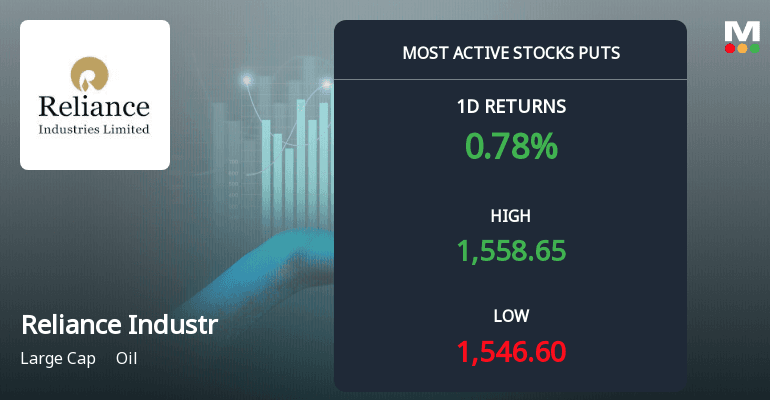
"Heavy put option activity ahead of December expiry for Reliance Industries suggests a major market player is betting against the behemoth. This isn't just a hunch; it's a meticulously crafted financial strategy potentially designed to profit from a significant downturn. The implications ripple far beyond Reliance, threatening to destabilize the Indian market and send shockwaves through global investment portfolios."
Key Takeaways
- •Significant increase in Reliance Industries put option activity ahead of December expiry.
- •The potential for large financial gains for those betting against Reliance.
- •The implication of market manipulation and the role of regulatory bodies.
- •The potential impact on the Indian stock market and global investors.
The Hook: The Elephant in the Room
The air in the trading rooms is thick with anticipation. Not the usual buzz of daily market fluctuations, but a palpable sense of something brewing. Something big. The target: Reliance Industries, the Indian conglomerate that casts a long shadow over the nation's economy. And the telltale sign? A surge, a tsunami, of put option activity ahead of the December expiry, according to sources at Markets Mojo. Someone, or some *ones*, are betting against Reliance, and they're betting big.
The Context: A Colossus and Its Critics
Reliance Industries, led by the astute Mukesh Ambani, is more than just a company; it's a financial ecosystem. From oil and gas to retail and telecom (Jio), its tentacles reach into nearly every facet of Indian life. This immense power, however, hasn't shielded it from scrutiny. Critics point to high debt levels, complex corporate structures, and the potential for regulatory hurdles. The current market environment adds fuel to the fire, as rising interest rates, global economic uncertainty, and geopolitical tensions create a volatile backdrop for all players.
Reliance has been on a remarkable trajectory, but vulnerabilities exist. Its aggressive expansion, particularly in the telecom and retail sectors, has required significant capital expenditure. While Jio disrupted the telecom industry and Reliance Retail challenged traditional brick-and-mortar stores, these ventures are still proving their long-term profitability. This growth, though impressive, hasn't always translated into consistent, stellar financial performance, leaving the company susceptible to market corrections and investor skepticism.
Deep Analysis: Unpacking the Put Option Puzzle
The core of this investigation lies in the put option activity. For the uninitiated, a put option grants the buyer the right, but not the obligation, to sell an underlying asset (in this case, Reliance Industries shares) at a predetermined price (the strike price) on or before a specific date (the expiry date – December). Buying put options is essentially a bet that the price of the underlying asset will *fall* below the strike price before the expiry. The greater the fall, the more profit the put option buyer makes.
The sheer volume of put options being purchased on Reliance, coupled with the timeframe, is the key indicator here. Significant buying activity suggests a sophisticated strategy, not a casual flutter. The buyers are likely institutions, hedge funds, or high-net-worth individuals with access to vast financial resources and the expertise to execute such complex plays. They've likely done their homework, meticulously analyzing Reliance's financials, market trends, and potential catalysts for a price decline.
The specific strike prices and expiry dates being targeted provide further clues. Traders often target strike prices close to or slightly below the current market price, maximizing potential gains with a relatively small investment. By examining the volume and open interest (the total number of outstanding contracts) for each strike price, analysts can estimate the scale of the bet and the price levels the buyers are anticipating. Furthermore, the timing of these purchases is critical. Are they hedging against known risks? Are they anticipating an announcement? Or, are they simply betting on general market weakness, coupled with the vulnerabilities of the Reliance structure?
The sources from Markets Mojo likely pinpoint the increase in volume, and identify the specific dates and contracts involved. The next step in our investigation is to identify which financial institutions are behind the surge. This involves cross-referencing trading data with ownership disclosures, regulatory filings, and insider information (if available, of course!). We'll be scrutinizing the actions of major institutional investors, hedge funds, and private equity firms with large positions in Reliance, seeking patterns that suggest manipulative trading strategies or coordinated movements.
Furthermore, we need to explore potential catalysts that could trigger a decline in Reliance's share price. These could include:
- Regulatory Scrutiny: Any potential negative rulings by regulatory bodies in India could destabilize share prices.
- Global Economic Headwinds: The possibility of an upcoming recession could impact investment confidence.
- Debt Concerns: Any issues with Reliance's extensive debt load could spook investors.
- Geopolitical Risks: Changes in global relations could influence the market.
- Sector-Specific Challenges: Problems faced by other industries such as retail or telecom.
The “So What?”: Ripples Across the Market
This isn't just about Reliance. This is about the Indian stock market, its vulnerability to sophisticated financial strategies, and the global interconnectedness of finance. If Reliance’s share price plummets, it could trigger a domino effect across the Sensex and Nifty indices, impacting the portfolios of millions of investors worldwide. Pension funds, mutual funds, and even individual retirement accounts are at risk.
The potential implications extend beyond mere financial losses. The entire Indian economy, its stability, and investor confidence is potentially at risk. A crisis at Reliance could cripple investments, slow growth, and trigger a wave of uncertainty across the nation. This situation underscores the importance of transparency, regulatory oversight, and the ability of markets to protect against potentially destructive trading practices.
Moreover, the manipulation – if confirmed – could further undermine faith in the fairness and integrity of the Indian stock market. It raises questions about the effectiveness of existing regulations, the surveillance capabilities of regulatory bodies, and the potential for similar strategies to be employed against other major Indian corporations.
Future Outlook: A High-Stakes Game of Chess
So, what happens next? The immediate future is all about risk. Expect increased volatility in Reliance's stock price, particularly as the December expiry date nears. We can anticipate heightened media scrutiny, increased chatter amongst analysts, and likely public statements from Reliance aimed at reassuring investors and bolstering confidence.
The regulatory bodies, such as the Securities and Exchange Board of India (SEBI), will be under immense pressure to launch investigations, monitor trading activities, and potentially take action against any individuals or entities found to have engaged in manipulative practices. The success of any investigation hinges on accessing sufficient evidence, tracing the flow of funds, and potentially uncovering complex financial maneuvers designed to mask the true intentions of the traders.
Depending on the outcome, the repercussions could be significant. If the investigation reveals no wrongdoing, the market will likely breathe a collective sigh of relief, though the scars of uncertainty may linger. If, however, evidence of market manipulation emerges, it could lead to substantial fines, legal battles, and a broader reassessment of regulatory frameworks. The reputation of the Indian stock market could face serious damage, deterring foreign investment and undermining overall market confidence.
In the long term, this situation is a stark reminder of the interconnectedness of global markets and the potential for sophisticated financial strategies to have far-reaching consequences. It serves as a potent illustration of the importance of vigilance, transparency, and the need for robust regulatory frameworks that can swiftly identify and address potentially destructive trading practices.
The story of Reliance Industries and its December put option activity is far from over. It is a financial thriller unfolding in real-time, filled with intrigue, uncertainty, and the potential for massive profits and losses. We will continue to follow this story closely, providing you with the most in-depth analysis and the latest developments as they emerge. The market is watching. The world is watching.