
Inditex Soars: The Zara Empire Ascends to €174 Billion, Redrawing the Fashion Map and Shaking the Foundations of Retail
"Inditex, the Spanish behemoth behind Zara, has just hit an all-time high, reaching a staggering €174 billion market capitalization. This isn't just a financial headline; it's a declaration of dominance. Expect to see the ripple effects across the fashion industry, from boardrooms to bustling high streets, as competitors scramble to adapt to the new reality crafted by Inditex's relentless efficiency and strategic brilliance."
Key Takeaways
- •Inditex's €174 billion market capitalization signifies its dominance in the fashion industry.
- •The company's success is rooted in its efficient supply chain, data-driven decision-making, and understanding of consumer psychology.
- •Future challenges include navigating rising costs, intensifying competition, and the need for ethical and sustainable practices.
The Lede: A Symphony of Silk and Steel
The bell on the Bolsa de Madrid had barely rung, and already, a new king was crowned. Not a monarch in ermine and jewels, but a company – Inditex, the fashion empire that built its kingdom on the backs of impeccable designs, lightning-fast supply chains, and a ruthless understanding of consumer desire. As the trading day unfolded, the numbers danced, culminating in a crescendo: a market capitalization of €174 billion. A figure so vast, it dwarfed the ambitions of many rivals and sent a clear message to the world: the future of fashion is, unequivocally, Inditex's.
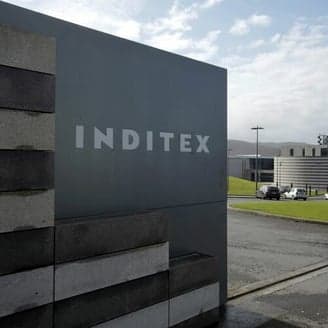
The scene at the Inditex headquarters in Arteixo, Spain, was a study in controlled chaos. The air, thick with the scent of freshly printed fabrics and the quiet hum of innovation, buzzed with the news. Champagne corks, undoubtedly, would be popping later. But for now, the mood was one of steely resolve, of a company that had tasted success but remained hungry for more. This wasn't just a financial milestone; it was a testament to a strategic vision, years in the making, and a relentless pursuit of perfection that borders on the obsessive.
The world, however, sees the glossy storefronts, the perfectly curated collections, and the smiling shoppers. Few truly grasp the intricate machinery that powers this global phenomenon. This is a story of more than just clothes; it’s a story of data, design, disruption, and the relentless pursuit of staying one step ahead of the fickle winds of fashion.
The Context: From Humble Beginnings to Global Dominance
To understand the magnitude of Inditex's current triumph, one must rewind the clock. The story begins, not in the opulent ateliers of Paris or Milan, but in a small workshop in Galicia, Spain, in the mid-1970s. Amancio Ortega, the company's founder, wasn't a fashion visionary in the traditional sense. He was a craftsman, a pragmatist, and a man with an uncanny ability to read the whispers of the market. His initial venture, a modest business selling quilted bathrobes, laid the foundation for something far grander.
The birth of Zara in 1975 marked a seismic shift. Ortega didn't just want to sell clothes; he wanted to democratize fashion, to bring high-fashion designs to the masses at affordable prices. This was his revolutionary idea. The first store, in A Coruña, wasn’t just a shop; it was a statement. The concept was simple: design inspired by the latest trends, manufactured quickly, and delivered to stores in record time. This 'fast fashion' model, though now ubiquitous, was a radical departure from the established industry norms.
The key was the supply chain. Ortega built an agile, responsive system, a far cry from the slow, bureaucratic processes of competitors. The company cultivated a network of factories, many of them close to headquarters, allowing for rapid prototyping, production, and distribution. Design, manufacturing, and logistics were tightly integrated, creating a seamless flow from concept to consumer. This was the birth of the 'just-in-time' inventory system, a core Inditex strategy.
The 1980s and 1990s witnessed the relentless expansion of Zara across Spain and then internationally. Ortega, famously private, shunned the limelight, preferring to let his company do the talking. The company's strategy wasn't built on extravagant advertising or celebrity endorsements, but on the silent power of its stores, its product, and its understanding of the consumer. It was a strategy based on data, on observation, and on a deep-seated belief in the power of the customer's desires.
The company also diversified, adding brands like Massimo Dutti, Bershka, and Pull&Bear to its portfolio, each targeting a different demographic. This strategy allowed Inditex to capture a wider audience and to insulate itself from the vagaries of any single brand's performance. The company's entry into the stock market in 2001, under the direction of then-CEO José María Castellano, was a strategic move, providing the company with the capital to fuel its global ambitions.
This all-time high is the culmination of decades of strategic decisions, risk-taking, and a relentless commitment to staying ahead of the curve. And like Apple in 1997, after Steve Jobs returned, there is a sense of inevitability and a master plan in motion. The company now runs like a finely tuned machine, seemingly immune to the broader economic headwinds that buffet its competitors.
The Core Analysis: Deciphering the €174 Billion Equation
So, what fuels this remarkable valuation? The answer is multifaceted, a complex interplay of factors, from financial acumen to psychological insight. First and foremost, Inditex has mastered the art of inventory management. While rivals struggle with overstocked shelves and the burden of markdowns, Inditex operates on a 'lean' model, constantly monitoring sales data, adjusting production in real-time, and keeping its inventory lean. This allows them to stay ahead of fast-changing trends and minimize waste, a critical advantage in the fickle world of fashion.
The company's supply chain is another key ingredient. The close proximity of its factories, the responsiveness of its logistics network, and the speed at which new designs reach stores are unmatched. This agility allows Inditex to launch new collections at a pace that leaves competitors struggling to keep up. This speed-to-market advantage is the lifeblood of its fast-fashion model, ensuring that its stores always offer fresh, desirable product.
Data is also a crucial element. Inditex doesn't just collect data; it *uses* it. Every sale, every return, every customer interaction is meticulously analyzed. This data informs design decisions, predicts future trends, and helps to optimize everything from store layouts to marketing campaigns. The company uses AI to help analyze trends and customer preferences. It is like having a crystal ball.
The company's focus on its physical stores also remains important, even in an increasingly digital world. While other retailers are closing locations, Inditex continues to invest in its stores, creating immersive shopping experiences that draw customers in. Store layouts are constantly updated, reflecting the latest trends and showcasing the company's collections in the most appealing way.
The psychological factor cannot be ignored. Inditex understands the psychology of desire. By offering new designs frequently, creating a sense of scarcity, and fostering a feeling of 'now or never,' it encourages impulse purchases and keeps customers coming back for more. This is the art of 'retail theatre', where the store itself becomes a form of entertainment.
Finally, and perhaps most importantly, is the leadership. While Amancio Ortega has long since stepped back from day-to-day operations, his legacy of innovation and customer focus permeates the entire organization. The current CEO, Oscar Garcia Maceiras, is a seasoned executive, tasked with maintaining momentum and navigating the company through the complexities of a changing world. The question of succession, however, is a key consideration. Inditex is in need of someone that can carry on the vision of its founder.
The Macro View: Reshaping the Fashion Landscape
Inditex's rise has profound implications for the entire fashion industry. The company is not just a player; it is a force. Its success has forced competitors to rethink their strategies, to streamline their operations, and to embrace the speed and agility that Inditex has made its trademark. Traditional retailers, once dominant, are struggling to adapt to the fast-fashion model. Many are shuttering stores, downsizing their workforces, and grappling with the challenges of online competition.
The power of Inditex also extends to its suppliers. The company has created a network of preferred vendors, many of whom are dependent on its orders. This gives Inditex significant leverage, allowing it to negotiate favorable terms and to control its supply chain. This dominance has raised ethical questions about labor practices and sustainability. The company is under increasing pressure to address these issues, and to demonstrate its commitment to responsible sourcing and environmental stewardship.
The rise of Inditex has also accelerated the trend towards globalization in the fashion industry. The company's stores are a common sight in major cities around the world, reflecting the increasing homogenization of consumer tastes. This has led to the emergence of global brands, which are able to cater to a diverse range of consumers while maintaining a consistent brand identity.
The rise of digital commerce is another factor reshaping the industry. Online sales are growing rapidly, and Inditex has invested heavily in its e-commerce platforms. The company's online strategy is seamlessly integrated with its physical stores, allowing customers to shop online and pick up their orders in-store. This omnichannel approach has been crucial to the company's success, and it will continue to be a key area of focus going forward.
This is also a fascinating case study in brand building. Inditex's brands have a powerful appeal, with little reliance on huge advertising budgets. Each of the brands has cultivated its own distinctive character, attracting a loyal following. Zara's ability to remain relevant, while simultaneously maintaining its cachet, is a remarkable feat.
The Verdict: A Future Forged in Fabric and Data
So, what does the future hold for Inditex? My seasoned perspective, informed by decades of observing the ebb and flow of the market, suggests that the company's dominance is likely to continue for the foreseeable future. However, the path ahead is not without its challenges.
In the short term (1 year), Inditex will need to navigate the rising costs of raw materials and the growing pressure from labor groups and environmental advocates. Its ability to adapt to these challenges will be crucial. The rise of new markets, particularly in Asia, will present immense opportunities, but also require careful management. Expansion in China has already begun.
Looking at a 5-year outlook, competition will intensify. As rivals seek to emulate Inditex's success, the company will need to maintain its edge. This will require continued investment in innovation, particularly in areas like AI, supply chain efficiency, and sustainable practices. The management team must remain nimble. The company must not grow complacent, but be prepared to challenge their own methods.
In the 10-year view, the landscape is likely to shift dramatically. The fashion industry will be transformed by technological advancements, from 3D printing to virtual reality. Inditex will need to embrace these changes to remain relevant. The company's ability to anticipate and adapt to these shifts will determine its long-term success. It will require a visionary leader and a culture of constant reinvention. The ethical expectations of consumers will also grow, and the company will need to demonstrate its commitment to responsible business practices, or it will face an even more hostile world.
Inditex, at €174 billion, is a testament to what can be achieved with a clear vision, a ruthless commitment to efficiency, and an unwavering focus on the customer. It's a reminder that in the fast-paced world of fashion, the only constant is change. But for now, the king of the castle is Amancio Ortega's creation, and the world is watching, waiting to see what new styles and innovations will be unveiled next.