Diversified's 8-K: Smoke, Mirrors, and the Looming Shadow of a Re-Rating
"Diversified Energy's April 30th 8-K filing is more than just a regulatory formality; it's a carefully crafted narrative designed to deflect from underlying vulnerabilities. The company is betting heavily on specific strategies, but the potential pitfalls are significant, and the market's response will be anything but predictable. This report dissects the filing, exposes the inherent risks, and forecasts the seismic shifts awaiting Diversified and its competitors."
Key Takeaways
- •The 8-K filing from Diversified Energy is a calculated attempt to shape investor perception amid growing concerns about debt and ESG risks.
- •The company's reliance on acquiring legacy gas assets and the associated cost structures face challenges amidst industry shifts towards renewable energy and environmental responsibility.
- •Diversified's long-term success hinges on its ability to adapt its business model, proactively address environmental liabilities, and navigate the increasing demands of ESG-focused investors. Failure to do so could lead to significant financial and reputational consequences, and potentially result in bankruptcy or acquisition.
The Lede: The Hour the Ground Shifted
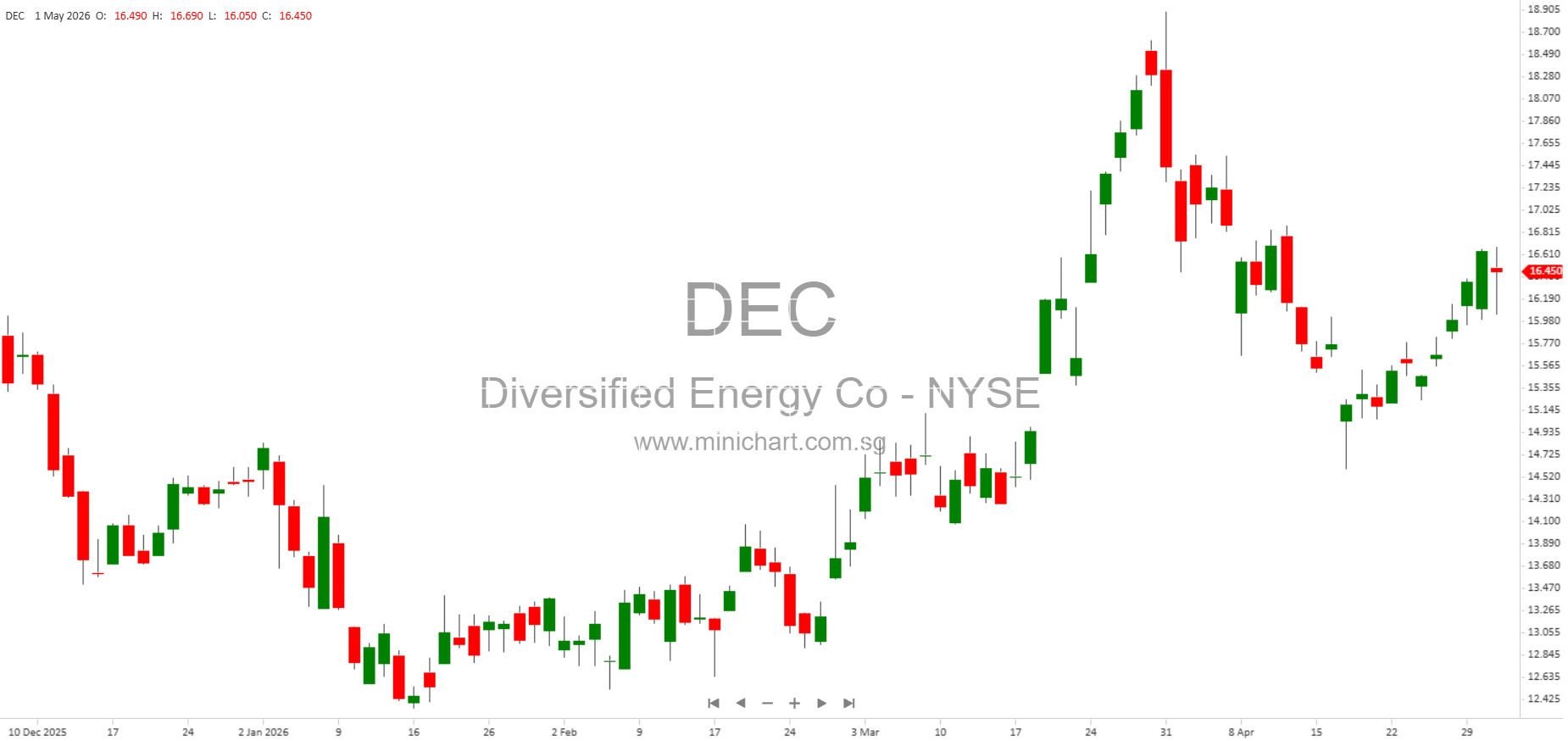
The fluorescent glow of the SEC headquarters in Washington, D.C. always seems to hum with a low-frequency tension, a silent soundtrack of fortunes won and lost. On the late afternoon of April 30th, 2026, that tension sharpened. The digital ether crackled with the release of Diversified Energy Company's Form 8-K. For those in the know – the analysts glued to their Bloomberg terminals, the distressed debt funds circling like vultures, and the boardrooms bracing for impact – it was a moment pregnant with consequence. The filing, a seemingly innocuous document outlining company details and stock information, masked a complex game of high-stakes poker, where the chips were the future of a company and perhaps, the entire natural gas industry. This was no mere quarterly report; it was a carefully constructed narrative, a strategic maneuver, and a potential harbinger of a dramatic re-rating for Diversified.
The Context: From Boom to (Potential) Bust
Diversified Energy’s journey has been a masterclass in aggressive acquisition and debt management. Over the past decade, the company, under the leadership of its enigmatic CEO, has built a portfolio of predominantly “mature” or “legacy” natural gas wells – assets often discarded by larger players. The strategy? Acquire these wells at bargain-basement prices, minimize operating expenses, and extract as much cash flow as possible before eventual decommissioning. This model, while initially lauded for its ingenuity, has always been tethered to the fluctuating price of natural gas, stringent environmental regulations, and, crucially, the company's ability to service its considerable debt load. The company's appetite for deals was legendary, often snapping up assets when others were wary. This bravado, coupled with a booming natural gas market in the early 2020s, fueled a surge in the company's stock price, temporarily masking the inherent fragility of its business model. Then, headwinds arrived. The volatility of commodity prices, coupled with increasing investor scrutiny regarding environmental, social, and governance (ESG) factors, began to chip away at Diversified's foundation. The company found itself increasingly squeezed, and whispers of unsustainable debt levels began to circulate throughout the industry.
The company’s growth strategy, built on acquiring often-depleted wells, was predicated on maintaining a low-cost structure. This required constant operational efficiency, a focus on minimizing environmental liabilities, and a delicate dance with regulatory bodies. While the company made significant investments in operational efficiencies and was perceived by some as an innovator in this space, questions lingered. Were these cost savings enough? Could they weather any sustained downturn in gas prices? Were environmental liabilities being addressed proactively, or were they being deferred? The 8-K, therefore, was not merely a financial statement; it was a carefully worded attempt to answer these critical questions, to reassure investors, and to steer the narrative back in the company's favor.
The Core Analysis: Unpacking the 8-K
Let's dissect the meat of the matter. The April 30th 8-K filing, as with all such filings, provides a snapshot of the company's financial position and strategic direction. The core data points, however, must be analyzed with a critical eye, as they represent a curated view of reality. The document highlighted, predictably, the company's “strong” operational performance, emphasizing production volumes and, crucially, the efficiency gains in its cost structure. The filing pointed to “improved” well performance and a strategic shift towards drilling new wells, attempting to present a picture of dynamism and growth. These points, though, require careful scrutiny.
First, the production volume data. While increases may seem positive on the surface, they must be contextualized. Are these volumes being achieved by increasing capital expenditures and what impact will that have on the bottom line? Or are these gains stemming from optimizations within the existing asset base? The details of this question are vital. If the gains are coming from the existing assets, it speaks to efficiency. If the gains are coming from investment, it speaks to future obligations. The devil, as always, is in the details – and the 8-K provides only a limited view.
Second, and perhaps more importantly, the filing addressed the elephant in the room: the company's debt burden. While the company may highlight refinancing activities or debt reductions, a deep dive into the underlying terms is paramount. What are the interest rates? What are the covenants? Are these terms favorable, or is the company merely kicking the can down the road? Any sign of increased interest expense or restrictive covenants would be a flashing red light. The health of the debt, in this environment, is crucial. This is particularly true given the industry's shift away from fossil fuels and the associated pressure on companies like Diversified to meet the financial expectations of investors. Any weakness here will be seized upon, and the stock price will suffer.
Third, the 8-K attempted to paint a rosy picture of the company's environmental stewardship. Increased disclosure related to emissions reduction targets is to be expected, but the true test lies in the specifics. Are the targets achievable? Are they backed by concrete plans and investments? Or are they mere aspirations, designed to placate ESG-focused investors? The presence of robust, independent verification of these initiatives will be critical to their credibility. Without this validation, the company risks further erosion of investor confidence, especially from institutional funds increasingly concerned about the environmental impact of their portfolios.
Finally, the document likely included forward-looking statements. These are often couched in vague language, designed to protect the company from legal repercussions. However, these are precisely the statements to watch. What is the company predicting in terms of future production? What is their gas price forecast? Any overly optimistic projections, in light of the volatile energy markets, will be viewed with skepticism. The market is increasingly sophisticated, and investors have learned to read between the lines. They are hungry for evidence, not promises.
The company's approach, mirroring in some ways the tactics of the oil barons of old, is facing a crossroads. The ability of Diversified to continue its strategy of acquiring existing wells is now more complicated than it ever was. The increasing complexity of environmental regulations, the price sensitivity of the current market, and the overall change in the energy marketplace have put the company in a precarious position.
The Macro View: A Shifting Industry Landscape
The Diversified 8-K is not just about one company; it's a reflection of broader trends reshaping the natural gas industry. This moment is not unlike the dot-com era of the late 1990s and early 2000s, where market exuberance blinded investors to fundamental flaws. The relentless pursuit of growth, the reliance on debt, and the tendency to downplay environmental liabilities are all hallmarks of a potential bubble. As the market matures, the weaknesses of certain business models are exposed.
The rise of ESG investing is a defining factor. Investors are no longer solely focused on short-term profits; they demand accountability. Companies that fail to adapt to these evolving demands – those that drag their feet on emissions reduction or environmental remediation – will be punished. The long-term implications are significant. The cost of capital will increase for companies with poor ESG scores, making it harder to access funding. The market landscape will shift, favoring companies that embrace sustainability and transparency. Consolidation is inevitable. Stronger, more resilient players will acquire the weaker ones, creating a wave of mergers and acquisitions that reshape the industry. This reshuffling will be brutal. Many companies, especially those built on the legacy asset model, will struggle to survive. The impact on employment and local economies, particularly in regions heavily reliant on natural gas, will be significant.
The increasing impact of renewable energy sources and the shift in policy from many global powers are additional factors. Many countries, including the United States, are putting pressure on energy companies to transition to carbon-neutral portfolios. This will lead to an overall reduction in dependence on natural gas and oil, and those who remain in the industry will be forced to compete on a new set of metrics.
The Verdict: The Next Five Years and Beyond
My seasoned judgment, honed over decades of watching empires rise and fall, is this: Diversified Energy Company is at a crucial inflection point. The 8-K is a calculated attempt to manage expectations and control the narrative. But beneath the surface, cracks are showing. The company's future hinges on its ability to navigate a treacherous landscape. Diversified must aggressively address its debt burden, provide transparent and verifiable environmental data, and demonstrate a clear path towards sustainable growth. The next twelve months will be critical. The market will closely scrutinize the company's performance, assessing whether its strategic moves are paying off or whether it is merely delaying the inevitable. The possibility of a significant re-rating is very real. A successful restructuring, led by a CEO who recognizes the changing tides, could lead to a revitalized company. But failure to adapt means a slow, agonizing decline, punctuated by shareholder lawsuits, regulatory scrutiny, and a tarnished reputation. The long-term implications are even starker. Over the next five to ten years, the natural gas industry will undergo a dramatic transformation. The companies that survive will be those that embrace innovation, sustainability, and transparency. They will have access to capital, attract the best talent, and command the respect of investors. Diversified's fate will depend on whether it can emerge as a leader, or be swept aside by the tide.
A few specific predictions to consider:
- **1-Year Impact:** Expect continued volatility in the stock price. The market will be highly sensitive to any news regarding debt restructuring, environmental compliance, and commodity prices. A downgrade in credit rating is a high probability.
- **5-Year Impact:** The industry will be reshaped. Expect a wave of consolidation. Diversified's position will be weakened if it fails to adapt. The company's long-term viability will depend on the effectiveness of its strategic pivot and the willingness of the management team to take drastic action.
- **10-Year Impact:** The energy landscape will look fundamentally different. Natural gas's role will be diminished. Diversified will either be a transformed, diversified energy company with a strong ESG profile, or it will be a footnote in the history books, a cautionary tale about the perils of clinging to the past. The legacy assets may be attractive to those seeking to exploit the resources of the earth in a world with diminished focus on carbon footprint and environmental responsibility.
Diversified's future hangs in the balance. The 8-K filing is just the opening move in a high-stakes chess game. The next few quarters will determine whether the company can outmaneuver the forces arrayed against it, or if it will become another victim of the relentless evolution of the energy market.