
Bloomberg's Global Gambit: Can Trash Pickup Save Democracy?
"Michael Bloomberg is quietly, yet powerfully, expanding his global influence through a network of mayors, ostensibly to shore up democracy. The initiative, cloaked in the practicalities of urban management like waste disposal, conceals a complex strategy with profound implications for international power dynamics. This is not philanthropy; this is a high-stakes play with a legacy, and potentially a very profitable one, hanging in the balance."
Key Takeaways
- •Bloomberg's strategy centers on empowering mayors and improving urban services to strengthen democratic institutions globally.
- •The initiative leverages data-driven solutions and measurable metrics to drive efficiency and progress in cities.
- •The focus on cities reflects a shift in global power dynamics, with urban centers becoming key drivers of change and investment.
The Lede: Concrete Jungles and Political Futures
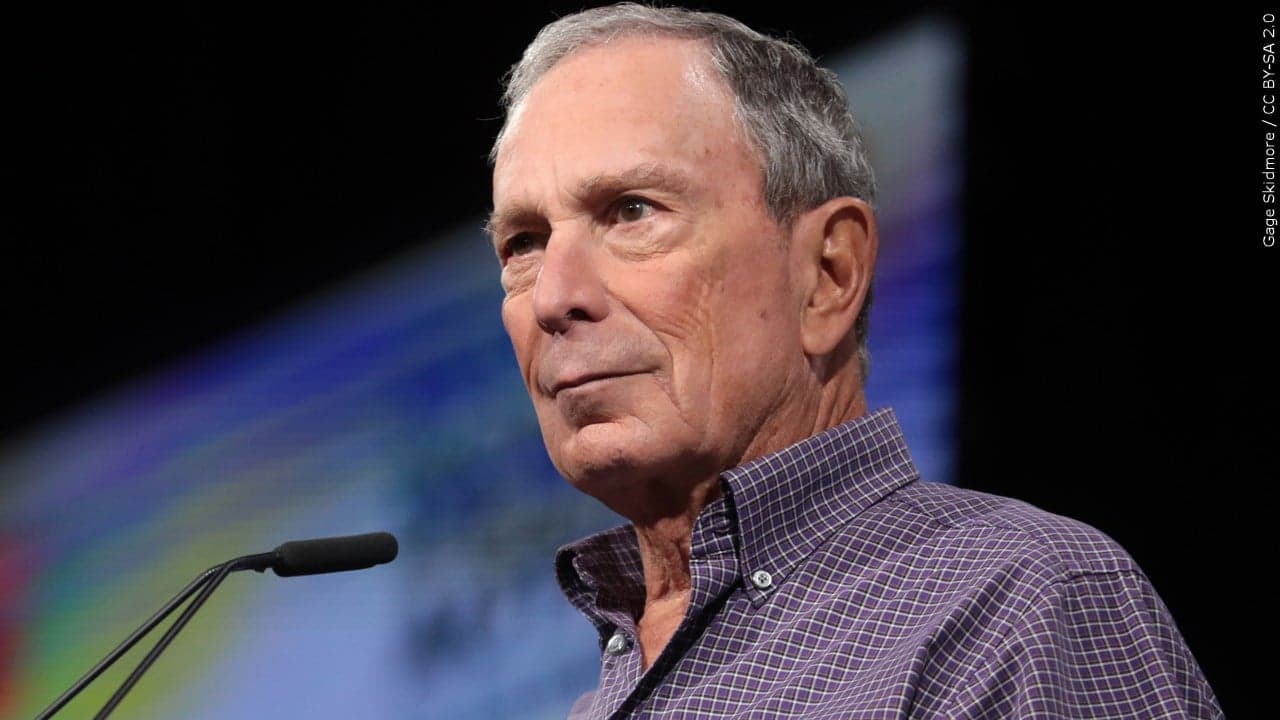
The dawn breaks over a city, any city. Not a pristine postcard vista, but the raw reality: overflowing bins, the metallic tang of refuse, the early morning scramble of sanitation workers. This, it seems, is the new frontline. Not a battlefield of tanks and treaties, but the quiet, often overlooked, arena of municipal services. And who, in this unglamorous theater, is quietly building an empire? Michael Bloomberg.
It's an incongruous image, isn’t it? The man who once helmed a financial behemoth, the former mayor of the world's most prominent city, now pivoting to…trash pickup? But the headlines are clear: “Bloomberg expands his support of mayors globally to help save democracy. And improve trash pickup.” This isn't a whimsical detour. This is a carefully orchestrated campaign, a chess game played on a global scale, with the future of cities – and perhaps the future of democracy itself – as the prize.
The scene shifts to a closed-door meeting in Geneva, Zurich, or even a nondescript office in a revitalized industrial district. Bloomberg's presence is unmistakable: the crisp tailoring, the unwavering gaze, the almost unnerving self-assurance. He's not here to broker a deal on derivatives or champion another carbon tax initiative. He's here to talk about resilience, efficiency, and the seemingly mundane art of waste management. He's speaking directly to mayors – the unsung heroes and often-overlooked gatekeepers of the 21st century's urban centers.
Forget the boardrooms of Wall Street; the real power, Bloomberg seems to suggest, resides in the sanitation yards, the public transit systems, the very infrastructure that defines a city's success. He's betting that control of these vital lifelines – and the ability to *improve* them – is the key to influencing the political landscape. He's wagering, with his considerable fortune and considerable influence, that by empowering mayors and fostering efficient urban governance, he can inadvertently strengthen democratic institutions against the rising tides of populism and authoritarianism.
The Context: From Trading Floors to City Halls
To understand Bloomberg's current move, we must rewind the tape. Michael Bloomberg isn't just a billionaire; he's a product of his time. He’s a quintessential example of the post-industrial age's titans. He built his empire on information: the relentless, real-time flow of market data. His success was predicated on seeing patterns, anticipating trends, and, most importantly, identifying inefficiencies to be exploited. He didn't just understand data; he *lived* it.
His foray into politics, first as Mayor of New York City, was not a casual affair. It was, in many ways, an extension of his business philosophy: apply data-driven solutions to public sector problems, streamline operations, and measure everything. Bloomberg's tenure in City Hall was a masterclass in applying business principles to the messy, often intractable, world of politics. He transformed the city, not through grand ideological pronouncements, but through practical, measurable changes: improving public health, reducing crime, and making New York a cleaner, more efficient metropolis.
His post-mayoral activities – the philanthropic work, the advocacy for gun control, the climate change initiatives – have all been consistent with this core philosophy: identify critical problems, develop data-driven solutions, and marshal resources to achieve measurable results. This is not the altruism of a dilettante. This is the strategic deployment of wealth and influence to achieve specific outcomes.
And now, the focus shifts to the global stage. Why mayors? Because in an increasingly interconnected world, cities are the engines of change. They are the crucibles where innovation is born and where societal challenges are most acutely felt. Mayors, often operating outside the constraints of national politics, have the latitude to experiment, to innovate, and to forge partnerships that transcend borders. Bloomberg understands that the future is urban. That’s where the power and the influence lie.
This initiative isn't a sudden epiphany. It’s the culmination of decades of strategic thinking and refined political acumen. It’s the application of Bloomberg’s tried-and-tested playbook – the relentless pursuit of efficiency, the data-driven decision-making, the focus on measurable results – on a global scale. This time, the stakes are higher. The challenge: nothing less than the preservation of democratic institutions in an increasingly chaotic world.
The Core Analysis: Follow the Money, The Metrics, The Mayors
Let's peel back the layers and analyze the mechanics of this operation. First, the money. Bloomberg's personal wealth, estimated in the billions, provides the financial bedrock for this global initiative. It funds research, supports pilot programs, and provides technical assistance to participating cities. This isn’t a passive contribution; it’s an active investment, meticulously tracked and constantly evaluated.
The metrics are crucial. Bloomberg’s approach is nothing if not data-driven. Success is not measured in feel-good press releases but in hard numbers: reduction in waste, improved air quality, enhanced public service efficiency, and citizen satisfaction scores. These are the key performance indicators (KPIs) that will determine the program's success – or failure. These metrics also provide a clear, quantifiable framework for evaluating the performance of the participating mayors.
The choice of mayors is equally deliberate. Bloomberg's team is likely identifying urban leaders who are pragmatic, data-oriented, and receptive to the kind of solutions the initiative offers. They are looking for leaders who are open to innovation, willing to experiment, and committed to improving the quality of life for their constituents. They are seeking out those who embody the values of efficiency and measurable progress, which just so happen to be the values Bloomberg holds dear.
But there's another, more subtle layer to this strategy. By focusing on seemingly apolitical issues like waste management, Bloomberg is able to sidestep the ideological quagmire of national politics. Waste disposal is a universal problem. It doesn't matter if a city is governed by a conservative or a liberal mayor. Efficient waste removal benefits everyone. This pragmatic approach allows Bloomberg to build a broad coalition of support, across the political spectrum.
Furthermore, the focus on urban infrastructure also creates opportunities for economic development. Upgrading waste management systems, for example, often involves the deployment of new technologies, which in turn fuels job creation and economic growth. This creates a powerful feedback loop: improved infrastructure leads to economic benefits, which in turn strengthens the mayor's position and reinforces the cycle of progress.
Consider the potential for partnerships with technology companies. Bloomberg’s initiatives could drive the adoption of smart city technologies, data analytics platforms, and other innovations that will reshape the urban landscape. This isn't just about cleaning up streets; it's about building the cities of the future. The implications for investment are immense. Those companies, eager to establish a foothold in the rapidly changing urban landscape, would provide a powerful financial incentive for participation, as well as a powerful voice to protect such projects.
The risks are significant, however. This initiative is heavily dependent on the willingness of mayors to collaborate and embrace change. There is also the risk of blowback. Some critics will inevitably accuse Bloomberg of wielding undue influence or of using his wealth to advance a personal agenda. He’s entering the realm of policy, which is often an unpredictable environment. Any missteps could damage his carefully cultivated reputation.
The Macro View: Reshaping the Global Landscape
This is not a singular event; it's a paradigm shift. Bloomberg's initiative represents a fundamental shift in the way power is exercised in the 21st century. It's a move away from the traditional model of nation-states as the primary drivers of global change, towards a more decentralized, city-centric model. In effect, Bloomberg is creating a shadow government, but one that is focused on tangible results, rather than ideological posturing.
This isn't merely about influencing municipal policy; it's about shaping the entire ecosystem of governance. It’s about building a network of interconnected cities, sharing best practices, and creating a global community of urban leaders committed to innovation and progress. This could reshape international relations. The rise of these global city networks could gradually diminish the power of traditional national institutions, creating a new balance of power.
This model could inspire other wealthy individuals or organizations to replicate Bloomberg's approach, focusing on specific sectors or geographic regions. Imagine a network of philanthropists focused on education, health care, or renewable energy, all working in tandem to address global challenges through city-level initiatives. This would change the fabric of global governance.
This also has the potential to transform the business landscape. Tech companies, consulting firms, and financial institutions are already eyeing the urban market, anticipating vast opportunities for investment and growth. This isn't just about selling technology; it's about providing the solutions to build and modernize cities.
However, this shift also carries inherent risks. The concentration of power in the hands of a few wealthy individuals and organizations raises serious questions about democratic accountability. There is also the potential for mission creep. What starts as a focus on waste management could expand into other areas, and there is no guarantee that Bloomberg's long-term vision aligns with the interests of all participating cities. What happens if the agenda drifts? Who guards the guards?
The Verdict: A Ten-Year Horizon
This is a marathon, not a sprint. Bloomberg's long-term strategy will unfold over years, perhaps decades. The impact of the initiative will be felt in stages, but the implications are far-reaching. Here's a snapshot of what we can expect to see in the coming years:
In one year, we can expect to see a more robust network of participating cities, the implementation of pilot programs in areas such as waste management and energy efficiency, and growing media attention. Expect an expansion of the network and a refined set of criteria for participation. There will also be a growing chorus of both supporters and critics, as the initiative becomes more visible and its impact becomes more tangible.
In five years, we can expect to see the emergence of a new global power structure, a new cadre of leaders, and tangible improvements in the quality of life in participating cities. We could see technological advancements in the waste management sector, along with improved public services and a demonstrable impact on economic development. Expect, too, a new, intense focus on the importance of data, as well as more pressure on the non-participating cities to join the network.
In ten years, we might be looking at a world transformed. This is Bloomberg's ultimate goal. We'll see a global network of cities that are more resilient, more efficient, and more democratic. The very nature of governance could be transformed, with cities serving as the primary engines of change. The impact of his vision will be evident in everything from waste management to overall public service.
The ultimate question is: Will it work? Will Bloomberg's strategy succeed in its stated goal of strengthening democracy? The answer, as always, is complex. But one thing is clear: Michael Bloomberg is playing the long game. He is betting on the power of data, the importance of efficiency, and the enduring relevance of urban life. And in this ever-changing world, his bet may be the best one anyone has made. It's too soon to declare victory, but it's clear: Bloomberg's global gambit is underway, and the world is watching, as the man who understands the power of information and the importance of data sets out to save the world, one garbage truck at a time.