Image: dilmarousseff | CC BY-SA 2.0 | via Wikimedia Commons
Biography
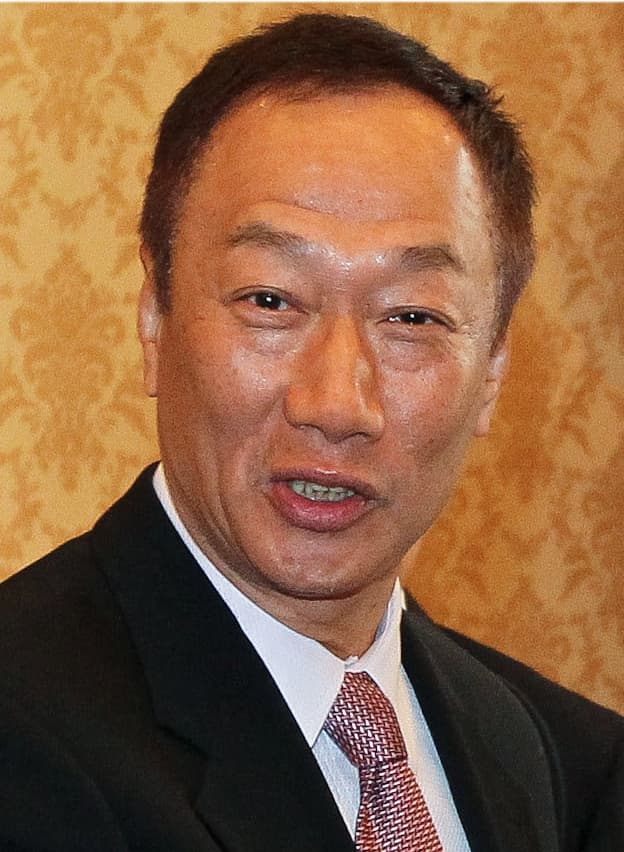
Terry Gou is among the world's most closely watched billionaires from TAIWAN, with an estimated fortune of $15.3B. The bulk of Terry Gou's wealth comes from Electronics, closely tied to Electronics. Terry Gou, born in 1950, is a Taiwanese billionaire businessman and politician. He is best known as the founder and former chairman and CEO of Foxconn, the world's largest electronics contract manufacturer. Gou's career began in 1974 when he established Hon Hai Precision Industry (later known as Foxconn) with a modest initial investment. Under his leadership, Foxconn grew into a global empire, becoming the largest private employer and exporter in Taiwan. As of 2024, his estimated net worth is $10.4 billion, reflecting his success in the technology industry. Gou is also known for his philanthropic efforts, having pledged to donate a significant portion of his wealth to charity. Key career milestones include Founded Hon Hai Precision Industry (Foxconn) (1974); Opened first factory in Shenzhen, China (1988); Secured Intel contract (2001); Stepped down as Foxconn Chairman (2019). This profile documents verified holdings, career milestones, and multi-year net worth history drawn from Forbes rankings, company filings where available, and our editorial methodology. Readers use it to understand how public markets, private company stakes, and major business bets shape one of the largest personal fortunes on record. Wealth estimates move with stock prices, funding rounds, and disclosed transactions—figures on this page are research estimates, not cash balances. We publish year-by-year net worth history when verified data exists, link to primary sources, and update profiles when Forbes Real-Time Billionaires or major filings change the picture materially. For investors and researchers, the most useful reading pairs the headline number with ownership structure, geography, sector exposure, and the multi-year history chart on this page—especially during volatile markets when single-day moves can shift rankings without any operational change at the underlying companies.
AI-Assisted Draft
Not yet reviewed by an editor — how we work
Data Updated
Sep 10, 2026