Early Life and Education
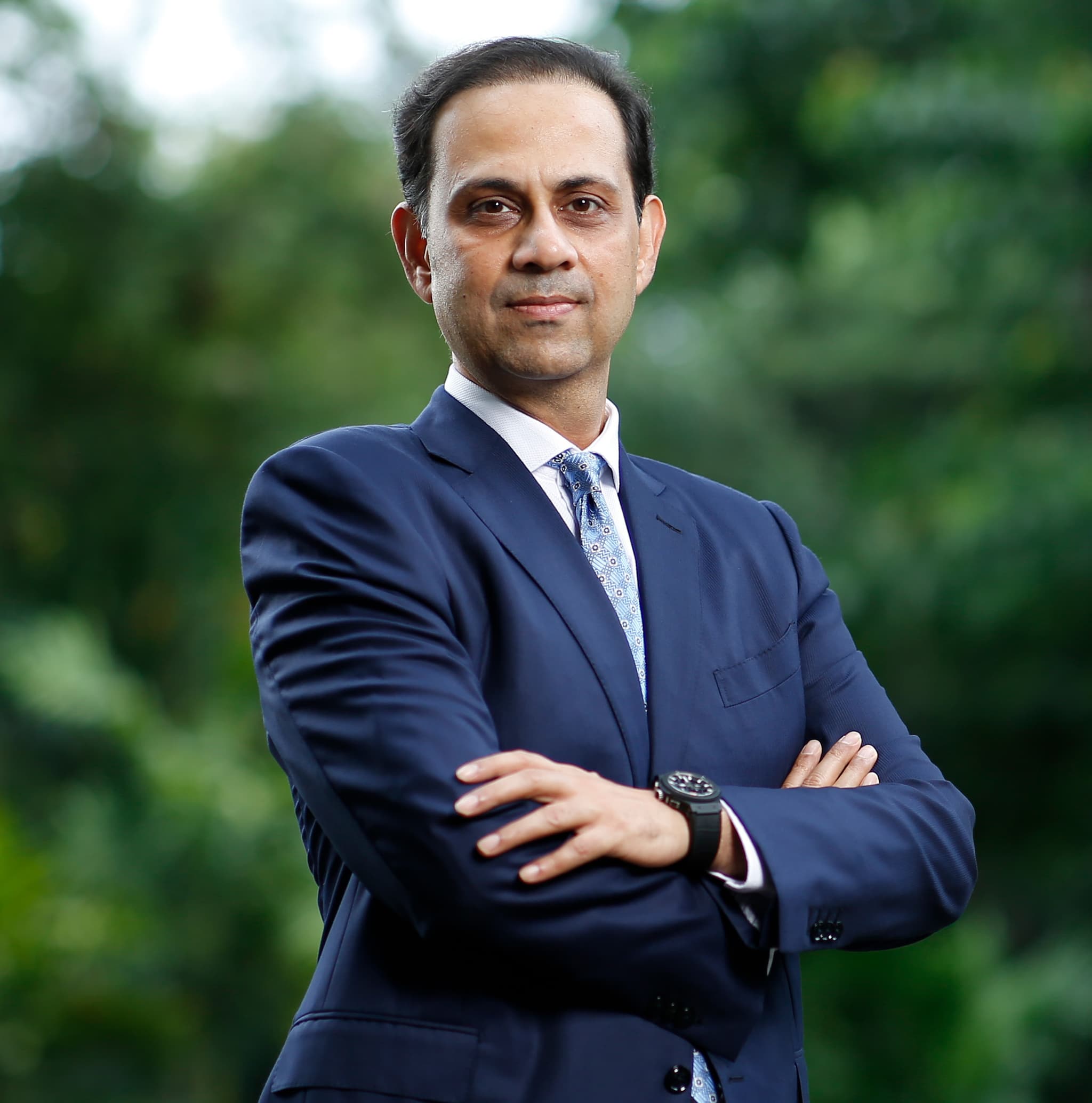
Sanjiv Bajaj was born on November 2, 1969, into the Bajaj family, a prominent Indian business family. He is the great-grandson of Jamnalal Bajaj, the founder of the Bajaj Group, and the younger son of Rahul Bajaj. He completed his schooling at a Catholic convent school and then pursued a degree in Mechanical Engineering from the University of Pune. He furthered his education with a Master's degree in Manufacturing Systems Engineering from the University of Warwick, UK, and an MBA from Harvard Business School.
Rise to Success
Bajaj began his career in 1994 with Bajaj Auto, where he held various leadership roles in finance, legal, and international business functions. He is credited with introducing American-style supply chain management, using General Motors as a model. After the demerger of Bajaj Auto's financial services in 2007, Sanjiv Bajaj took charge as the Managing Director of Bajaj Finserv in 2008. Under his leadership, Bajaj Finserv has expanded into lending, insurance (Bajaj Allianz Life Insurance and Bajaj Allianz General Insurance), and wealth management, becoming a leading non-banking financial company in India. He has been reappointed as the managing director for five years in May 2022.
Key Business Strategies
Sanjiv Bajaj's key strategies include a consumer-first, digital approach and a focus on innovation and technological advancements. He has led Bajaj Finserv's diversification, including the launch of Bajaj Finserv Mutual Fund. He has also emphasized industry leadership roles, serving as the President of the Confederation of Indian Industry (CII) for 2022–23 and holding positions on influential boards. Sanjiv is focused on building a company that can navigate the future and adapt to the evolving financial landscape.
Philanthropy
Sanjiv Bajaj also chairs India@100 Foundation, CII's non-profit initiative, championing next-generation reforms, nurturing innovation, and strengthening India's cultural influence. His commitment extends to various initiatives aligned with inclusive economic growth and sustainable progress.