Billionaire Profile
Peter Gassner
Global Rank
#970

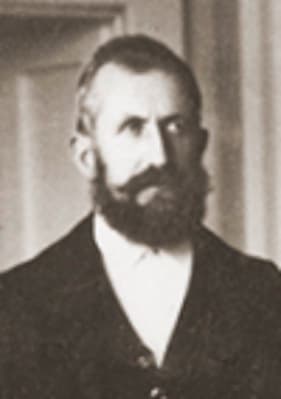
Image: Public domain | via Wikimedia Commons

Peter Gassner

CEO, Veeva Systems
US
Real-Time Net Worth
$4.1B
As of December 2025
Age
60
Source
Software
Industry
technology
Citizenship
US

Biography

Peter Gassner, born in 1965, is the co-founder and CEO of Veeva Systems, a leading cloud software provider for the global life sciences industry. With a current net worth of $4.1 billion, Gassner's wealth stems primarily from his success in the software sector. His career includes significant roles at IBM, PeopleSoft, and Salesforce before founding Veeva Systems in 2007. Veeva's industry-specific focus has driven its rapid growth, establishing Gassner as a prominent figure in the technology world. Gassner is known for his customer-centric leadership, dedication to product excellence, and commitment to ethical business practices, exemplified by Veeva's transition into a Public Benefit Corporation.

Wealth Over Time

In-Depth Profile

Early Life

Peter Gassner was born in Portland, Oregon, in 1965. He grew up as the son of Swiss immigrants. Gassner's father owned a machine shop. Gassner showed a strong work ethic from an early age, working various jobs during his youth, including as a paperboy and in a roofing business. This early exposure to risk and entrepreneurship shaped his mindset.

Rise to Success

Gassner earned a Bachelor of Science in Computer Science from Oregon State University in 1989. His career began at IBM, where he worked on database technology. He then held leadership roles at PeopleSoft and Salesforce. In 2007, Gassner co-founded Veeva Systems with Matt Wallach, Doug Ostler, and Mitch Wallace. Recognizing the unique needs of the life sciences industry, Gassner focused Veeva on providing specialized cloud software solutions for pharmaceutical and biotech companies. Under his leadership, Veeva developed key products like Veeva CRM and Veeva Vault, becoming industry standards.

Key Business Strategies

Veeva's success is largely due to its focus on vertical SaaS, providing cloud-based solutions specifically for the life sciences industry. Gassner prioritized customer success and product quality, which has helped Veeva maintain strong relationships with major pharmaceutical companies. In 2021, Veeva became the first U.S. public company to convert to a Public Benefit Corporation (PBC), legally committing to balance shareholder interests with broader stakeholder benefits.

Philanthropy

Information regarding Peter Gassner's specific philanthropic contributions is not readily available in the search results. However, Veeva's transition to a PBC demonstrates a commitment to broader societal impact, suggesting alignment with philanthropic principles.

Career Milestones

1989

Graduated from Oregon State University

Earned a degree in computer science.

2007

Co-founded Veeva Systems

Launched Veeva Systems with Matt Wallach, Doug Ostler, and Mitch Wallace, a cloud software company for the life sciences industry.

2013

Veeva Systems IPO

Led Veeva Systems through a successful initial public offering on the NYSE.

2021

Veeva Systems became a Public Benefit Corporation

Veeva Systems became the first publicly traded company to convert to a public benefit corporation.

Philanthropy & Social Impact

Corporate Social Responsibility

Veeva Systems Public Benefit Corporation

$0

Veeva's conversion to a PBC reflects a commitment to balancing shareholder interests with broader stakeholder benefits, such as advancing innovation in life sciences and promoting ethical business practices.

Business Philosophy & Leadership

Notable Quotes

""The US is the most backwards country in terms of noncompetes. It hurts our economy because it doesn't allow businesses to be formed naturally.""

Leadership Principles

Customer Success

Prioritizing the needs and satisfaction of Veeva's customers.

Product Excellence

Focusing on developing high-quality software solutions that meet the specific needs of the life sciences industry.

Ethical Business Practices

Committing to balancing the interests of shareholders with broader stakeholder benefits.