Billionaire Profile
Mohamed Alabbar
Global Rank
#1499

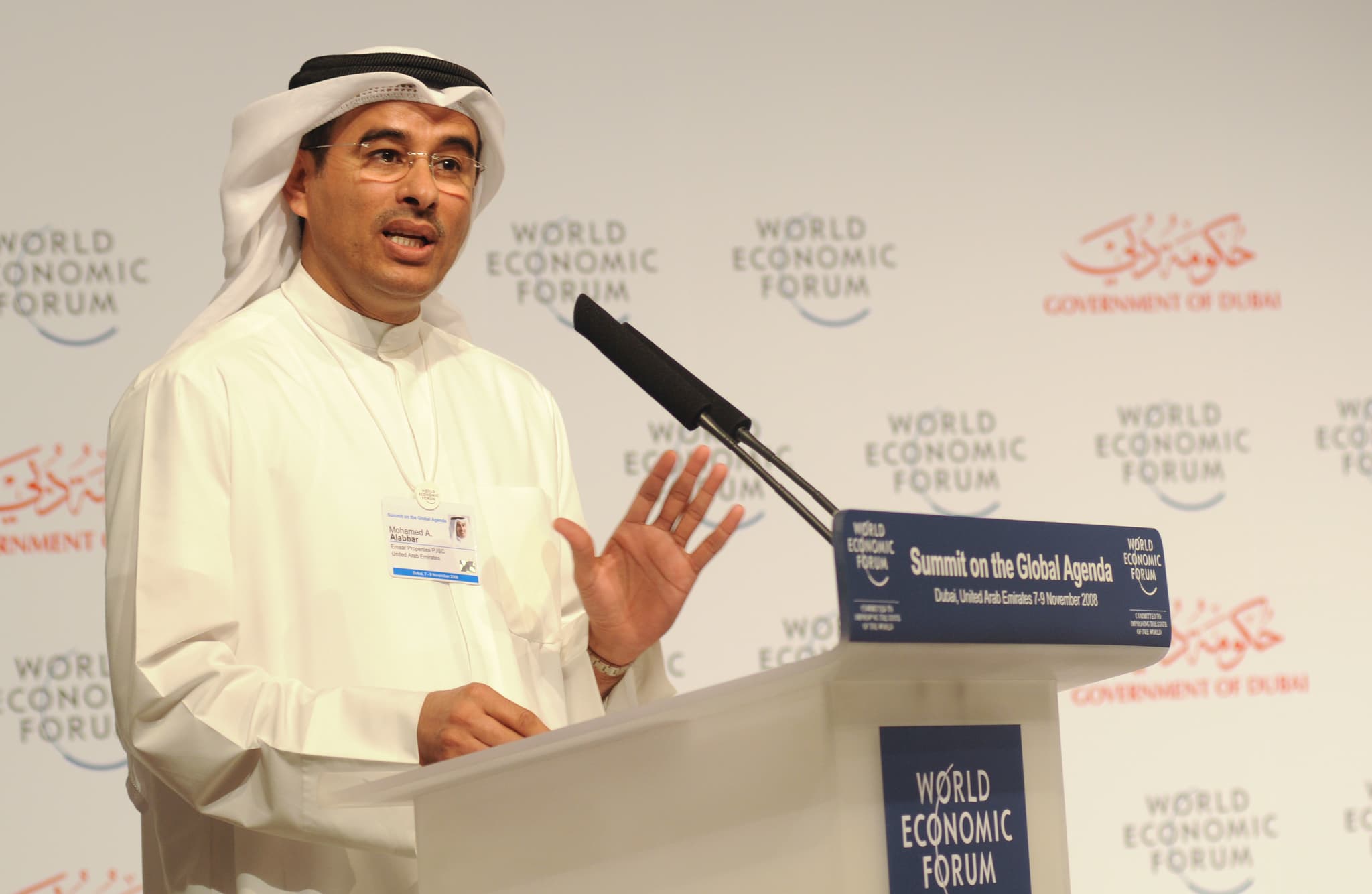
Image: World Economic Forum on Flickr | CC BY-SA 2.0 | via Wikimedia Commons

Mohamed Alabbar

CEO, Real estate
UNITED ARAB EMIRATES
Real-Time Net Worth
$2.828B
Estimated based on Real estate stock value as of April 20, 2026
-1.04% (24h)
Age
69
Source
Real estate, restaurants
Industry
Diversified
Citizenship
UNITED ARAB EMIRATES

Biography

Mohamed Alabbar, born in Dubai in 1956, is an Emirati businessman and global entrepreneur with a current estimated net worth of $2.9 billion. His wealth stems primarily from his ventures in real estate and restaurants. Alabbar's career is marked by founding Emaar Properties in 1997, which developed iconic projects like the Burj Khalifa and The Dubai Mall. Beyond real estate, he is the chairman of Americana Restaurants, and has founded other successful ventures, including Eagle Hills and Noon.com. He is known for his vision, ambition, and commitment to innovation, shaping Dubai's skyline and its global reputation.

Fact Checked
Verified by Editorial Team
Live Data
Updated 4/20/2026

Wealth Over Time

In-Depth Profile

Early Life

Mohamed Alabbar was born on November 8, 1956, in Dubai, United Arab Emirates. He is the eldest of twelve children. His father was a captain of a traditional trading vessel known as a dhow. He received a government scholarship in the 1970s to study finance and business administration at Seattle University. He graduated in 1981 with a Bachelor of Business Administration.

Rise to Success

After graduating from Seattle University, Alabbar began his career at the Central Bank of the United Arab Emirates. In 1992, he returned to Dubai to serve as the founding director general of the Department of Economic Development. During this time, he worked closely with Sheikh Mohammed bin Rashid Al Maktoum, the Ruler of Dubai, serving as one of his chief economic advisors. In 1997, he founded Emaar Properties, which has become one of the largest real estate development companies in the world. The company's projects include the Burj Khalifa, the world's tallest building, and The Dubai Mall, one of the largest shopping malls globally.

Key Business Strategies

Alabbar's business strategy has been characterized by his ability to identify opportunities and his close relationship with the Dubai government. Emaar Properties became a public company in 2000, opening up shares to foreign nationals. He focused on building communities rather than just properties and incorporated retail, hospitality, and lifestyle brands into his real estate ventures. Beyond real estate, he has diversified into e-commerce with Noon.com and established other ventures such as Eagle Hills and Americana Restaurants.

Philanthropy

While specific figures for Alabbar's philanthropy are not readily available, his initiatives have been largely focused on supporting education and community development. He has also served on the board of trustees of the American University of Sharjah and the FII Institute in KSA.
Career Milestones

1981

Graduated from Seattle University

Earned a Bachelor of Business Administration degree, which laid the foundation for his future endeavors.

1992

Director General of the Department of Economic Development

Served as the founding director general, playing a key role in Dubai's economic development.

1997

Founded Emaar Properties

Established Emaar Properties, which became instrumental in shaping Dubai's skyline and global presence.

2014

Founded Eagle Hills

Launched Eagle Hills, focusing on real estate development in emerging markets.

2017

Launched Noon.com

Created Noon.com, an e-commerce platform that aimed to compete with major international online retailers.

Philanthropy & Social Impact

Education

Support for Education

Not Available

Actively involved in supporting educational initiatives and institutions.

Community Development

Community Development

Not Available

Engaged in various community development projects and initiatives within the UAE and internationally.

Business Philosophy & Leadership

Notable Quotes

"“Make mistakes. Learn quickly. Develop yourself constantly. Never delay action and always review your future plans.”"

Leadership Principles

Innovation

Embracing innovation as a fundamental aspect of success and progress.

Discipline

Maintaining discipline to achieve sustainable success.

Vision and Ambition

Having a long-term vision and ambitious goals.

Learning from Failures

Using failures as opportunities for learning and adaptation.