Billionaire Profile
Michael Otto
Global Rank
#581

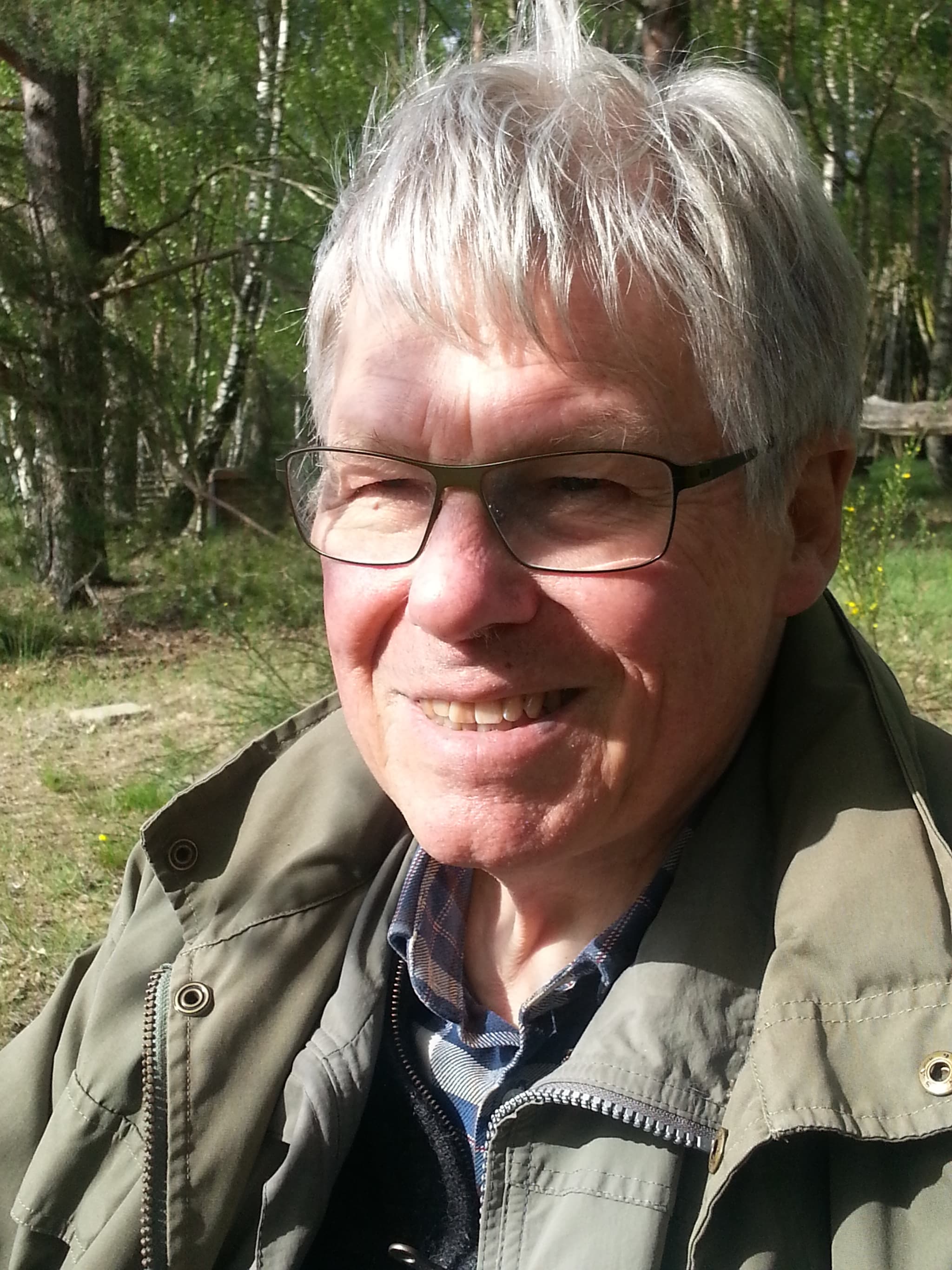
Image: Harvey Kneeslapper | CC BY-SA 4.0 | via Wikimedia Commons

Michael Otto

CEO, Retail
GERMANY
Real-Time Net Worth
$6.827B
Estimated based on Retail stock value as of March 6, 2026
0% (24h)
Age
82
Source
Retail, real estate
Industry
Fashion & Retail
Citizenship
GERMANY

Biography

Michael Otto, a German businessman, is the chairman of the supervisory board of the Otto Group. Born on April 12, 1943, he is 82 years old and has built a vast fortune through retail and real estate. His main source of wealth stems from the Otto Group, a global retail and e-commerce giant. Over his career, he transformed the company from a mail-order business into a leading online retailer. With a net worth of $10 billion, Otto is known for his commitment to sustainability and environmental protection, making eco-friendly policies a cornerstone of his business. He is married with two children and resides in Hamburg, Germany. Otto's career is marked by his dedication to corporate responsibility and digital transformation, earning him numerous awards and recognition.

Fact Checked
Verified by Editorial Team
Live Data
Updated 3/6/2026

Wealth Over Time

In-Depth Profile

Early Life

Michael Otto was born on April 12, 1943, in Chemnitz, Germany. He is the son of Werner Otto, who founded the Otto Versand in Hamburg in 1949 as a mail-order shoe business. He studied economics and sociology at the University of Hamburg and later earned a doctorate in economics.

Rise to Success

Michael Otto took over the Otto Group in 1981 and spearheaded its transformation from a mail-order company to a global retail and e-commerce powerhouse. Under his leadership, the company expanded internationally and embraced digital retail years before many competitors. He served as the CEO for 26 years, until 2007, and is now the Chairman of its Supervisory Board. The company has a presence in over 30 countries. With revenues exceeding $15 billion, the Otto Group has more than 40 companies in retail, real estate, and financial services.

Key Business Strategies

Otto's business strategy emphasized long-term ownership, resisting public listings to maintain corporate culture and strategic flexibility. He focused on reinvesting profits into technology and infrastructure, prioritizing sustainable business practices. He also embraced digital transformation, transforming Otto Group into one of the world's most successful e-commerce companies. The company expanded its marketplace business, and About You, a company within the Otto Group, met revenue growth and profitability forecasts.

Philanthropy

Michael Otto is a committed environmentalist and established the Michael Otto Foundation in 1993. He has been a member of the World Future Council and is the president of Foundation 2°, promoting a transition towards a carbon-free economic system. The Otto Group also partners with Save the Children and originated the Cotton made in Africa initiative through the Aid by Trade Foundation.

Career Milestones

1981

Took over Otto Group

Michael Otto assumed leadership of the Otto Group, initiating its transformation.

1993

Established Michael Otto Foundation

Founded a foundation focused on environmental and social causes.

2007

Stepped Down as CEO

Transitioned to the role of Chairman of the Supervisory Board.

2016

Digitization Driver Award

Awarded for his role in transforming Otto Group into a leading e-commerce company.

Philanthropy & Social Impact

Environmental and Social Causes

Michael Otto Foundation

Undisclosed

Focuses on environmental protection and social responsibility.

Sustainability

Cotton made in Africa

Undisclosed

Supports sustainable cotton farming practices.

Business Philosophy & Leadership

Notable Quotes

"Understanding climate protection as a modernisation project for the economy can now play an important role in overcoming the consequences of the Corona crisis – and at the same time help to avoid profound negative impacts of the climate crisis."

Leadership Principles

Long-term Ownership

Prioritizing the long-term health of the company over short-term gains.

Digital Transformation

Embracing and investing in digital technologies to evolve with market trends.

Sustainability

Integrating environmental and social responsibility into business practices.