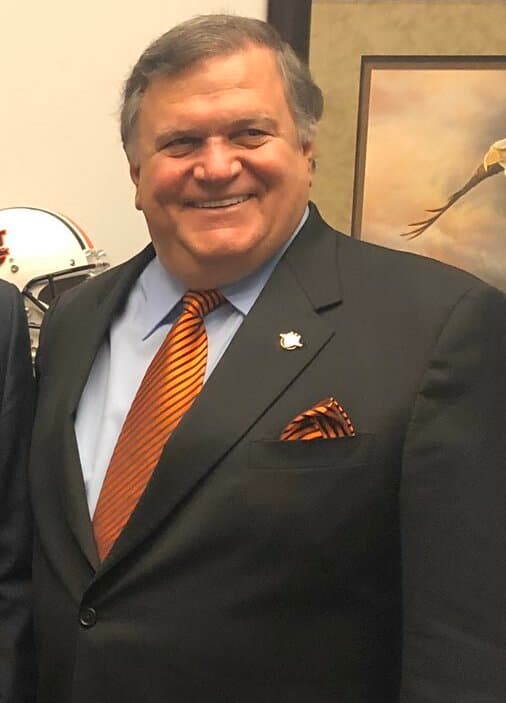
Early Life
James W. Rane was born in 1947 in Abbeville, Alabama. Growing up, he attended Marion Military Institute and later graduated from Auburn University with a bachelor's degree in business administration. He then pursued a Juris Doctor from Samford University's Cumberland School of Law in 1971. During his law school years, Rane's life took a pivotal turn when he became involved in a family dispute that led him to take over a small lumber treatment plant.
Rise to Success
In 1970, Rane founded Great Southern Wood Preserving with his brother. The company, initially a modest operation, saw remarkable growth under his leadership. Rane's vision extended beyond mere production; he utilized innovative marketing strategies, including the creation of the "Yella Fella" persona for the company's YellaWood brand, which significantly boosted its recognition and market share. By 2016, Rane was recognized by Forbes as the wealthiest person in Alabama, a title he has maintained.
Key Business Strategies
Rane's business acumen is evident in his focus on branding, as well as his ability to adapt to market dynamics. Rane's business acumen is evident in his focus on branding. He successfully transformed a commodity product into a recognized brand name. His company's operations expanded to 38 locations with a coverage area that stretches from the Florida Keys to Texas to Canada, and also serves 39 countries worldwide. By 2025, annual sales reached nearly $2 billion. Rane stepped down as CEO in 2025, but continues to serve as Chairman of the Board.
Philanthropy
Beyond his business achievements, Rane is known for his strong philanthropic endeavors. Through the Jimmy Rane Foundation, established in 2000, he has awarded numerous college scholarships to deserving students, totaling over $7.2 million by 2024. Furthermore, he has been a significant donor to Auburn University, contributing $12 million to the Tony and Libba Rane Culinary Science Center. Rane's commitment to his hometown of Abbeville is also evident in his revitalization efforts, which included the restoration of the Henry County Livestock Company stockyard and the Archie Theatre.