Billionaire Profile
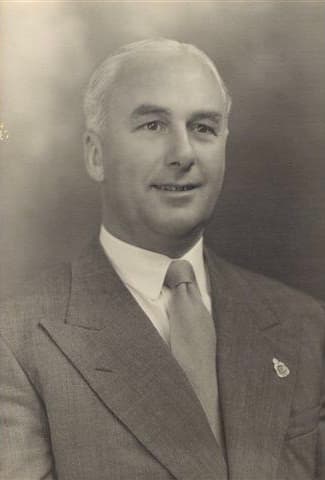
George Roberts
Global Rank
#212

Image: Robertsname | Public domain | via Wikimedia Commons

George Roberts

CEO, Private equity
UNITED STATES
Real-Time Net Worth
$13.791B
Estimated based on Private equity stock value as of April 20, 2026
0% (24h)
Age
82
Source
Private equity
Industry
Finance & Investments
Citizenship
UNITED STATES

Biography

George Roberts is an American billionaire financier and a pioneer in private equity. He co-founded Kohlberg Kravis Roberts (KKR) in 1976, a leading global investment firm, and is currently its Co-Executive Chairman. Roberts' source of wealth is primarily private equity, stemming from his founding role and investments at KKR. With a net worth of $12.7 billion, Roberts has significantly impacted the finance industry through his career, notably through leveraged buyouts and strategic investments. He has also been involved in philanthropy, creating the Roberts Enterprise Development Fund (REDF), which focuses on job creation and support for people facing barriers to work.

Fact Checked
Verified by Editorial Team
Live Data
Updated 4/20/2026

Wealth Over Time

In-Depth Profile

Early Life

George Roberts was born on September 14, 1943, in Houston, Texas, to a Jewish family. He graduated from Culver Military Academy in 1962 and later attended Claremont McKenna College, earning his Bachelor of Arts in 1966. Roberts furthered his education at the University of California, Hastings College of the Law, graduating in 1969.

Rise to Success

Roberts began his career at Bear Stearns in the late 1960s and early 1970s, where he became a partner at age 29. Alongside Jerome Kohlberg and Henry Kravis (his cousin), Roberts pioneered what they termed "bootstrap" investments. They left Bear Stearns to form Kohlberg Kravis Roberts (KKR) in 1976. KKR became a pioneer in leveraged buyouts, executing major deals such as the 1988 leveraged buyout of RJR Nabisco, a deal that was at the time the largest buyout in history.

Key Business Strategies

KKR, under Roberts' leadership, focused on leveraged buyouts, acquiring underperforming companies, restructuring them, and selling them for profit. The firm expanded into various asset classes, including credit, real estate, and infrastructure. KKR's strategy involved hands-on management and operational improvements to build sustainable companies.

Philanthropy

Roberts is the founder and chairman of the Roberts Enterprise Development Fund (REDF), a nonprofit organization focused on job creation for individuals facing significant barriers to employment. REDF has supported numerous social enterprises, generating substantial revenue and providing employment opportunities. Roberts has also donated significantly to Claremont McKenna College, supporting academic facilities and initiatives.

Career Milestones

1969

Graduated from University of California, Hastings College of the Law

Earned a Juris Doctor degree.

1976

Co-founded Kohlberg Kravis Roberts (KKR)

Established KKR with Henry Kravis and Jerome Kohlberg, a pivotal moment in private equity.

1988

Led the RJR Nabisco leveraged buyout

Managed the largest leveraged buyout at the time, a landmark deal in financial history.

2021

Stepped down as Co-CEO of KKR

Transitioned to Co-Executive Chairman role at KKR.

Philanthropy & Social Impact

Social Enterprise/Job Creation

Roberts Enterprise Development Fund (REDF)

$XB

Founded REDF to support social enterprises and create employment opportunities for people facing significant barriers to work.

Education

Donations to Claremont McKenna College

$190M

Provided significant financial support to his alma mater for faculty, facilities and programs.

Business Philosophy & Leadership

Notable Quotes

"For any partnership to succeed you have to have certain shared values, making sure that people are aligned with their interests, their values are shared, and there are people you can trust. After all, people do business with people they like."

Leadership Principles

Long-Term Value Creation

Focus on building sustainable companies through operational improvements.

Integrity and Trust

Emphasis on ethical investment practices and maintaining strong relationships.

Shared Success

Aligning interests and values among partners.